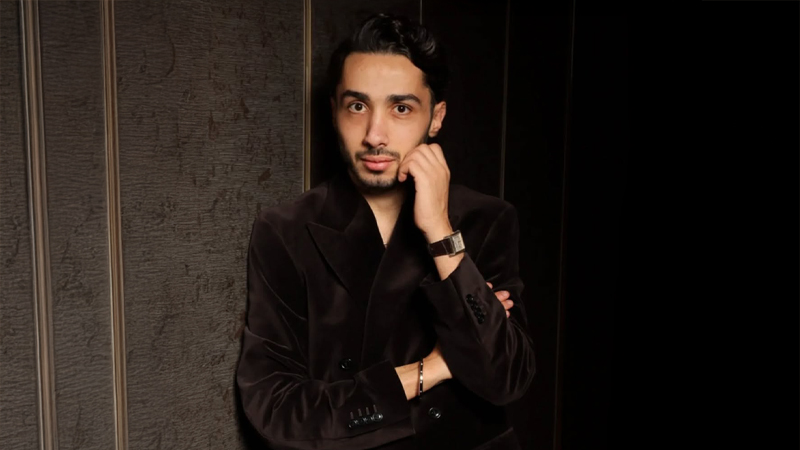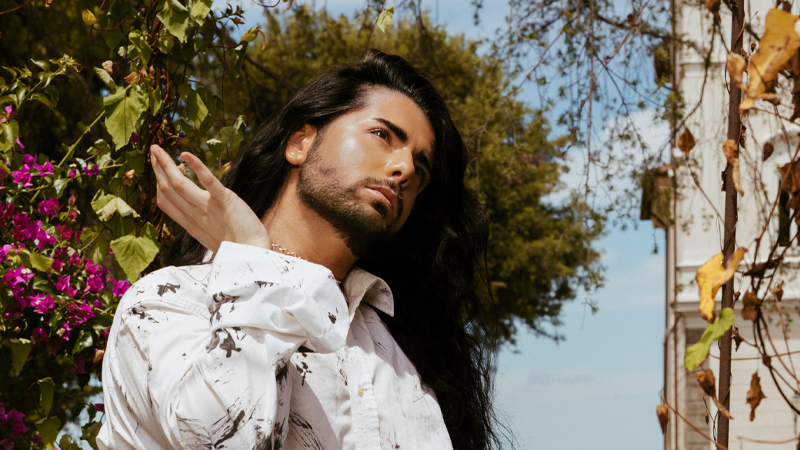
In an exclusive visual and textual collaboration, international creative powerhouse, PR strategist, and model Alessio Filippelli teams up with Éclat Magazine for a boundary-pushing editorial photoshoot. Set against a backdrop that bridges classic heritage and futuristic minimalism, the feature captures the profound evolution of the fashion landscape in 2026.
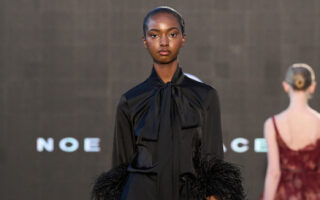
No longer confined to pure aesthetics, fashion has officially transformed into a global, living language. Today’s international designers are utilizing the runway to dissect complex socio-political, cultural, and environmental issues, while a radical new wave of youth-driven talent is completely rewriting the rules of the industry.
The Photoshoot: Capturing the Narrative of Freedom
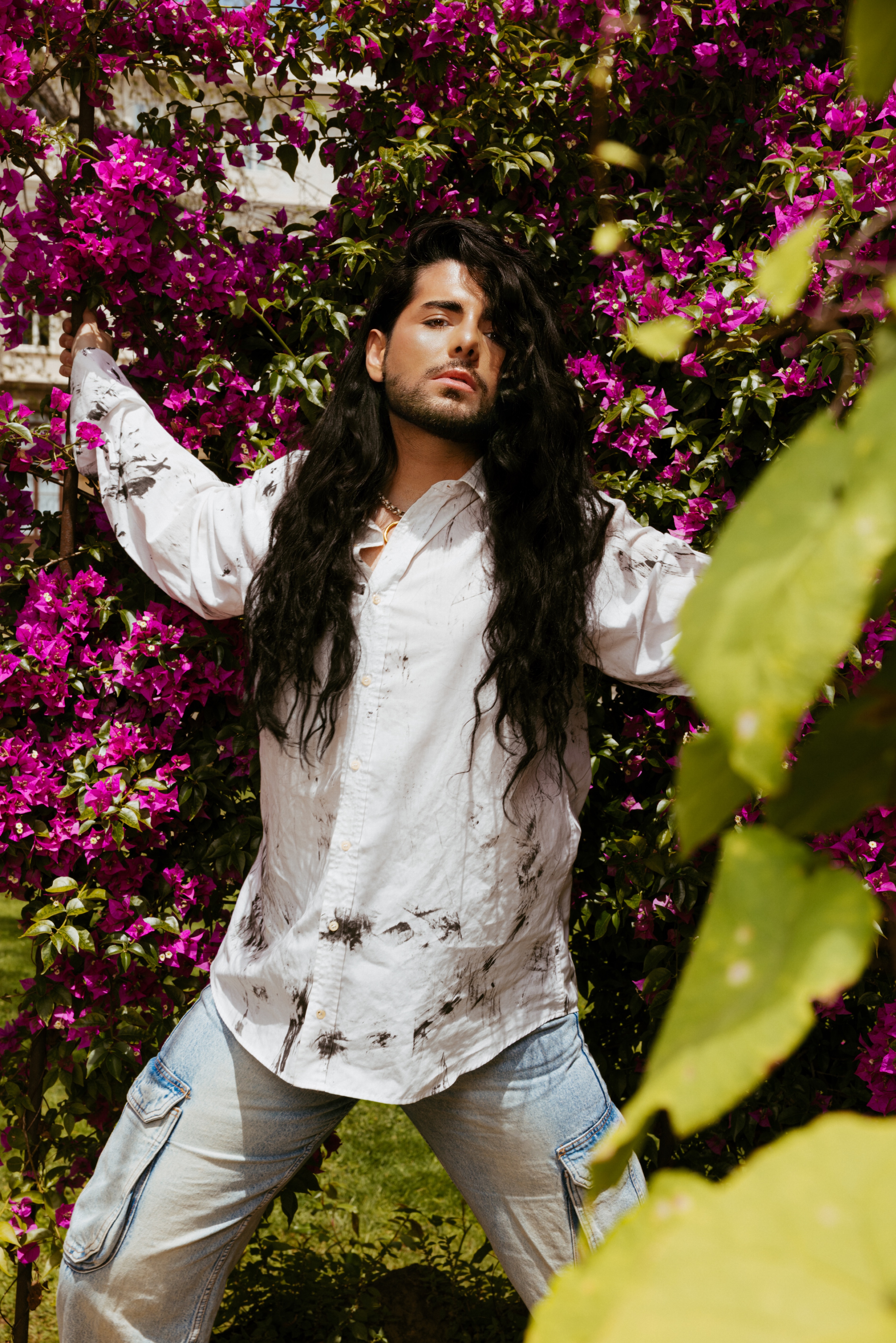
The editorial shoot serves as a visual manifestation of Filippelli’s internal and professional evolution. Cloaked in avant-garde silhouettes that challenge gender norms and fuse cultural motifs, Filippelli embodies a fierce, unapologetic energy.
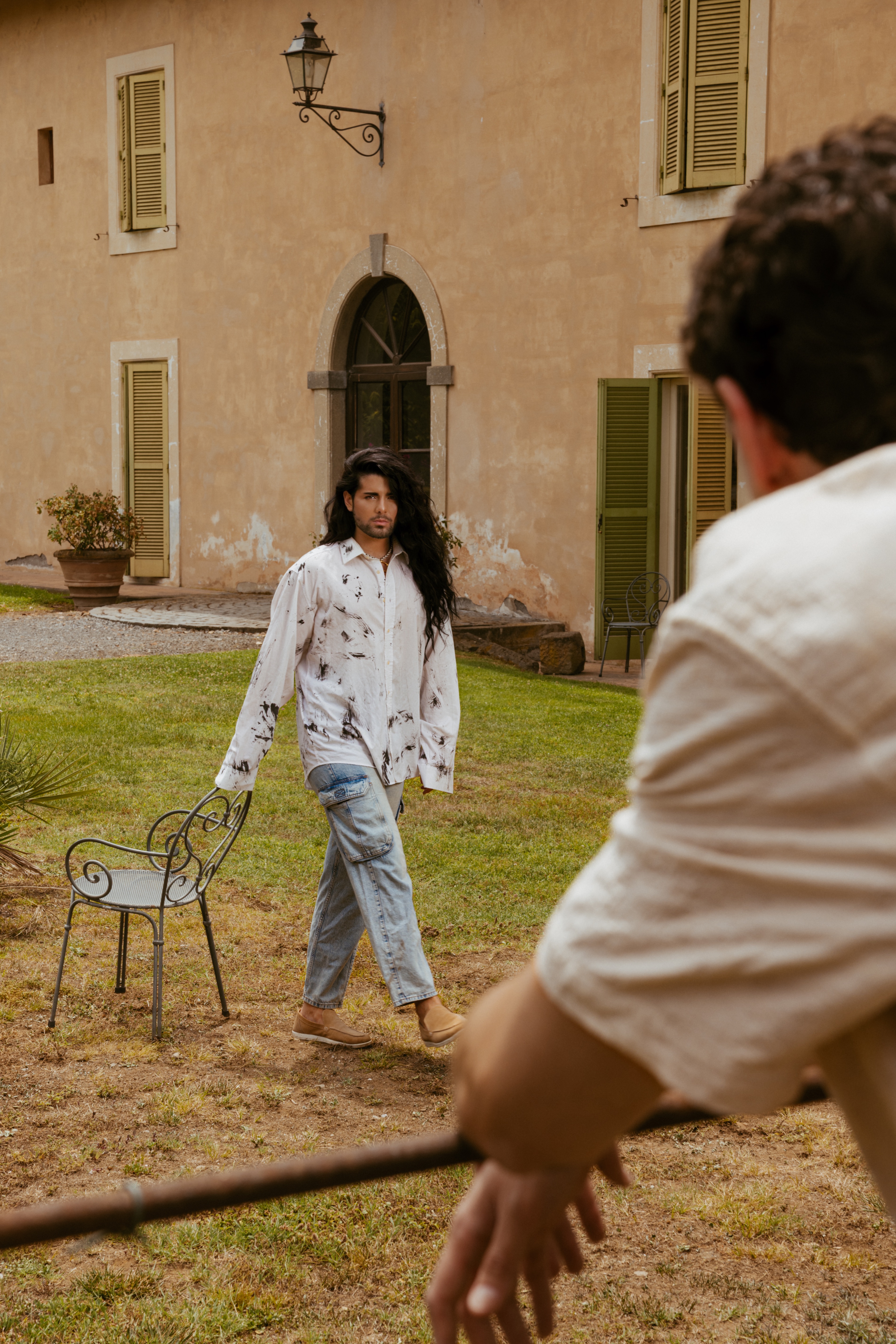
“This shoot represents a turning point,” Filippelli notes during our exclusive sit-down. “We wanted to capture the concept of breaking free—from expectations, from borders, and from traditional creative limits. In 2026, fashion isn’t about fitting into a mold; it is about shattering it to see what lies beneath.”
Fashion as a Language for Global Issues
Throughout the interview, Filippelli emphasizes that the industry has undergone a permanent psychological shift. The year 2026 marks an era where a garment is evaluated as much by its message as its tailoring.
“Designers today have realized the immense power of their platforms,” says Filippelli. “We are seeing global icons and independent houses alike use textiles to speak on climate urgency, human rights, mental health, and queer visibility. Fashion is the most immediate, visual language we have. When you put a garment on a runway, you are putting a statement into the cultural ether. If a collection doesn’t spark dialogue, it misses the mark entirely.”
He points out that this shift is heavily driven by consumers who demand authenticity over commercialism:
“People don’t just want to buy luxury; they want to align with a purpose. My goal has always been to use art and fashion as tools for social impact. If an image or a silhouette makes people pause, reflect, or question their long-held biases, then we have done our job as creators.”
The Youth Revolution: A New Wave of Disruptors
A core theme of the Éclat Magazine feature is the unstoppable rise of young, independent designers who are displacing legacy houses from the center of cultural relevance.
“Young designers today represent a crucial, beautiful revolution,” Filippelli explains passionately. “They don’t wait for permission from the old gatekeepers of fashion. They build their own digital ecosystems, they launch inclusivity-first collections, and they prioritize sustainable, circular design from day one.”
Filippelli, who has built his own empire by championing independent artists and launching boundary-breaking digital initiatives, sees a mirror of his own journey in this new guard:
“Having had to work twice as hard to establish my worth against early discrimination, I have a deep reverence for these young disruptors. They are resilient, they are hungry, and they are bringing a raw honesty that the industry desperately needed. They have turned fashion from a luxury monologue into a democratic conversation.”
The Western-Arab Convergence: A New Global Aesthetic
One of the most compelling segments of the dialogue centers on the profound cultural merging between Western and Arab fashion perspectives—a phenomenon that has reached its absolute peak in 2026.
Filippelli views this cross-pollination not merely as a trend, but as a deep, respectful integration of heritage and modernism.
“The convergence between the West and the Arab world is one of the most exciting movements in contemporary style,” Filippelli states. “For a long time, the industry was heavily Eurocentric. But today, the Middle East is a dominant force shaping global trends. We are seeing a gorgeous dialogue where Western structural tailoring meets the fluid, majestic storytelling of Arab design.”
He highlights how young Arab designers are redefining global runways by infusing deep-rooted cultural heritage with modern, global sensibilities:
“Arab fashion brings an undeniable soul, a respect for craftsmanship, and a sense of regality that the West is deeply inspired by. Concurrently, Middle Eastern creatives are taking Western avant-garde concepts and making them entirely their own. It’s no longer about the West exporting style to the East; it is a symbiotic, equal exchange. This intersection creates a space where we realize that despite our geographical distances, our human expressions of beauty and identity are deeply intertwined.”
Looking to the Horizon
As the session wraps up, Filippelli looks toward the future with a sense of unyielding optimism. With upcoming film roles and the continued expansion of his creative endeavors, his philosophy remains grounded in shifting perspectives.
“Stop waiting for the world to tell you what is fashionable, what is acceptable, or who you should be,” he finishes. “Take up space. Let your clothes, your art, and your voice be an extension of your absolute truth. That is how we change the narrative. That is how we become unstoppable.”