In the contemporary landscape of Arab cinema, certain names carry weight due to their popularity, while others command respect due to their craft. Nahed El Sebai effortlessly occupies the rare intersection of both, having carved out a distinct and irreplaceable status for herself. This enviable position was not achieved by mere coincidence, but rather forged through a potent combination of a legendary artistic lineage, rebellious career choices, and an uncompromising dedication to cinematic truth.
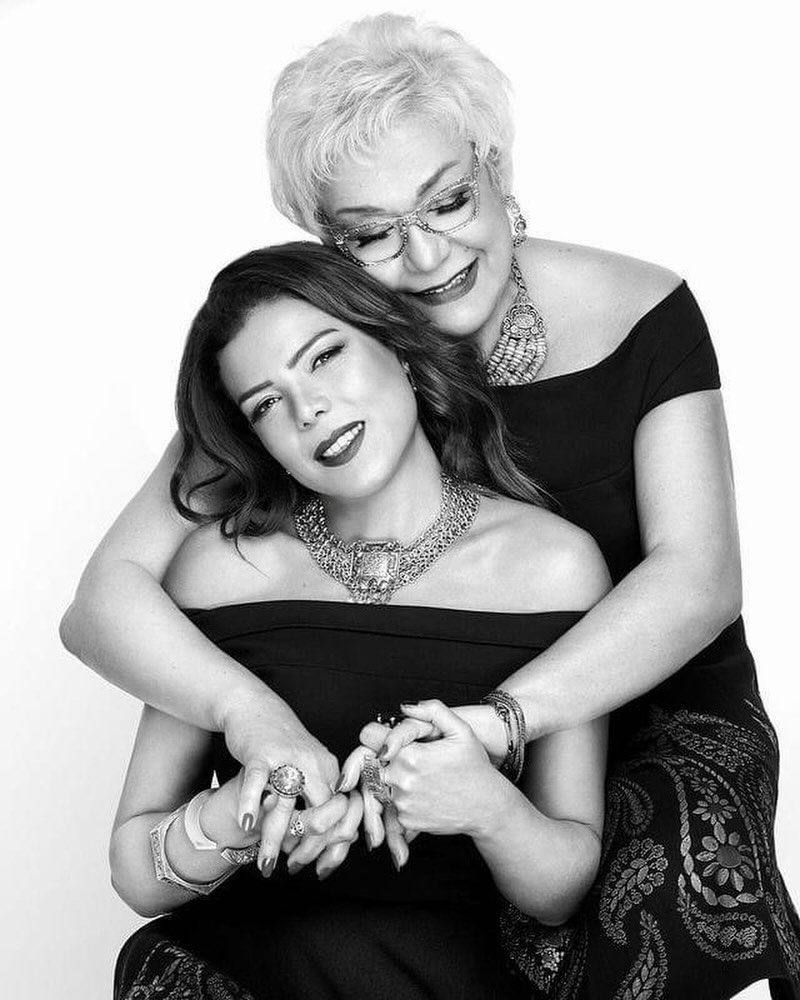
To understand Nahed’s deep-rooted connection to the silver screen, one must look at an ancestral tree that reads like a definitive history book of Egyptian cinema. As the granddaughter of the legendary “King of the Screen” Farid Shawqi and the iconic singer and actress Hoda Sultan, and the daughter of the acclaimed producer Nahed Farid Shawqi, she grew up surrounded by filmmaking royalty. Her lineage connects further to pioneering director Niazi Mostafa and legendary producer Ramses Naguib. Yet, for Nahed, this towering heritage was never utilized as a free pass into the industry. Instead, it endowed her with a profound, generational cinematic consciousness, allowing her to approach the camera not as a seeker of fleeting celebrity, but as a custodian of an artistic legacy who understands the medium as a powerful art form rather than a mere spotlight.

In an industry that frequently attempts to confine young actresses to conventional, safe, or purely aesthetic “pretty girl” roles, Nahed chose the path of deliberate rebellion. From the very inception of her career, she consistently rejected the traditional mold of the classical cinematic heroine, purposefully seeking out complex, raw, and sometimes uncomfortable characters. She gravitates toward roles that require deep psychological layers and intense emotional vulnerability, proving time and again that she is entirely unafraid to shed the glamorous facade in pursuit of a character’s authentic, unvarnished truth.
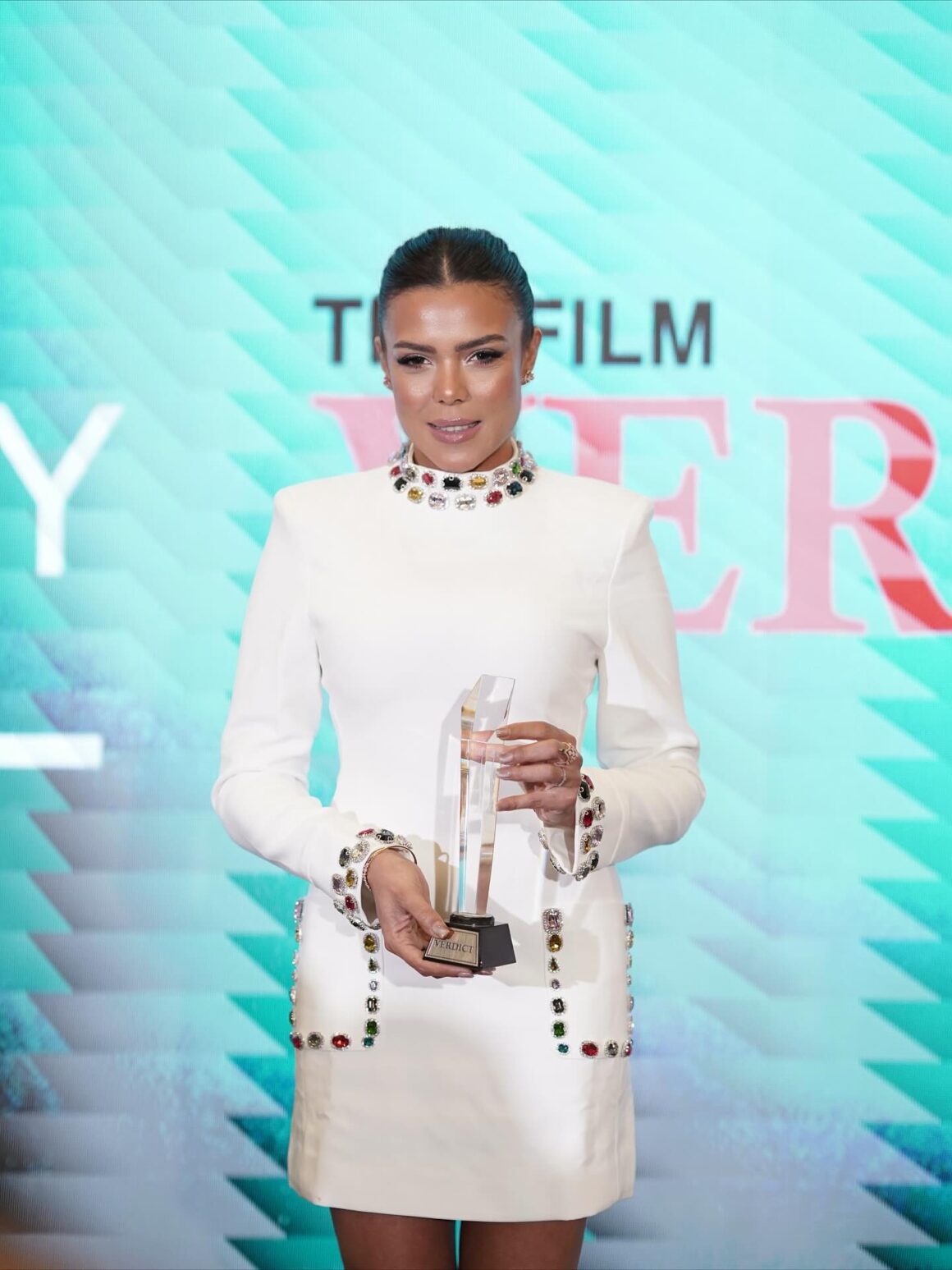
This fearless attitude enabled her to masterfully bridge two often-divided worlds: independent festival cinema and mainstream commercial hits. On the festival track, she became a crucial face in thought-provoking, independent cinema that tackles sharp, pressing social issues. Masterpieces like 678, which tackled sexual harassment, and A Day for Women, showcased her ability to anchor heavy, narrative-driven dramas. Concurrently, she seamlessly transitions into audience-driven comedies and mainstream television dramas, maintaining a strong commercial appeal. This calculated balance is incredibly rare, keeping her relatable to the general public while cementing her reputation as an elite actress among critics and filmmakers.
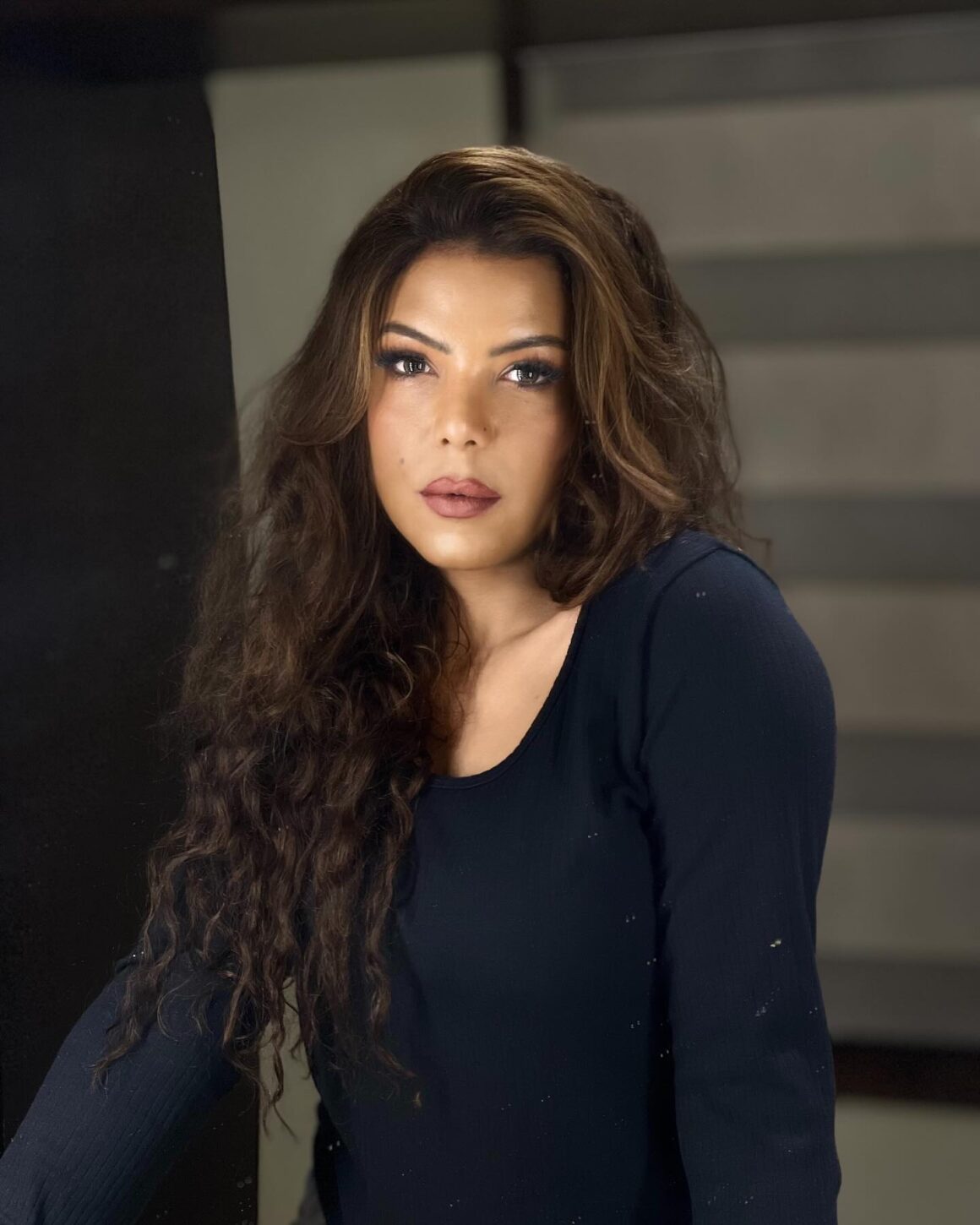
Consequently, Nahed’s talent has consistently resonated far beyond regional borders, earning her a rightful place on international stages. She walked the prestigious red carpet at the Cannes Film Festival with the critically acclaimed feature After the Battle, directed by Yousry Nasrallah, and later earned the highly coveted Best Actress Award at the Cairo International Film Festival for her brilliant performance in A Day for Women. Such accolades have solidified her status as a heavy-hitting actress capable of representing Arab cinema on a global scale.
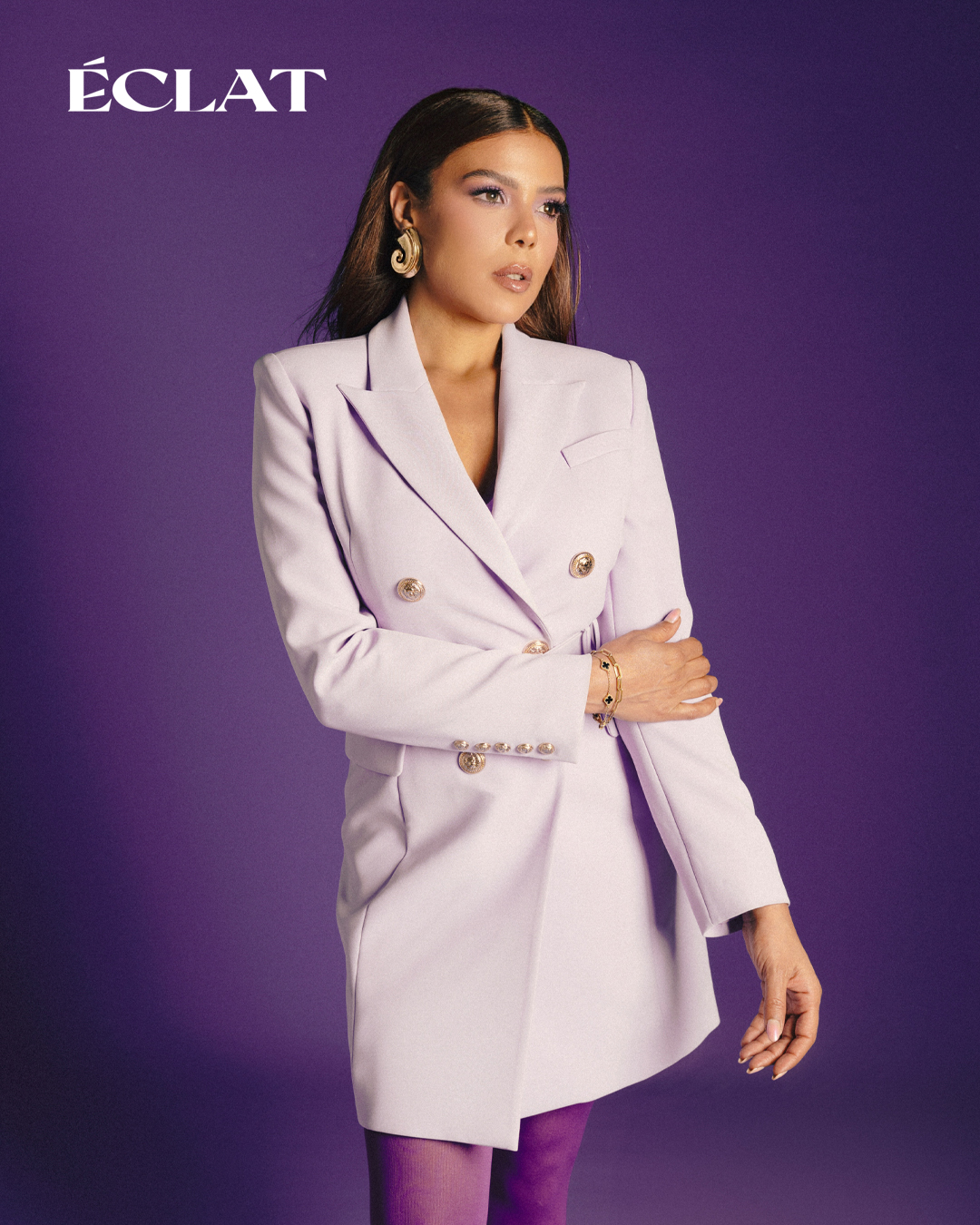
Ultimately, what sets Nahed apart is this incredible range and fluid expressive ability, allowing her to transform entirely from one project to the next. Whether she is portraying a vulnerable, working-class woman fighting systemic oppression, an elite woman trapped in societal expectations, or delivering sharp comedic timing, her performance is always anchored in honesty. Nahed El Sebai remains a distinct force because she refuses to play it safe, prioritizing impact, depth, and longevity over temporary trends. As she continues to push boundaries and tell challenging stories, her position as a definitive and irreplaceable icon of her generation remains entirely unchallenged.