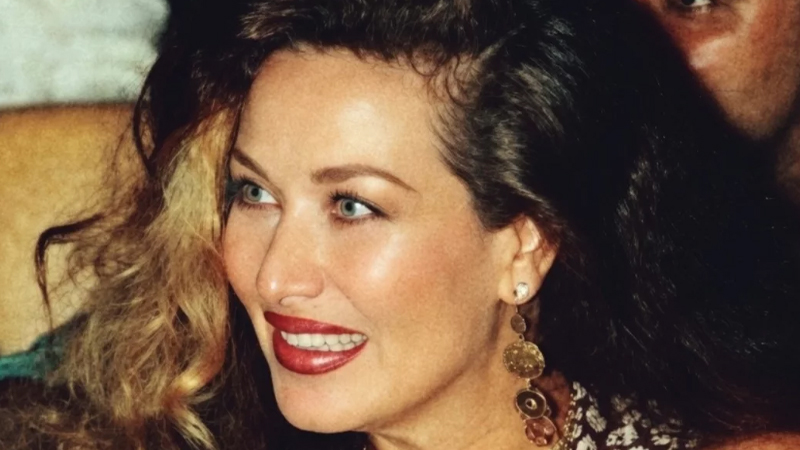
The 1980s in Arab cinema was a decade of profound transition, caught between the lingering classical melodrama of the mid-century and the gritty, hyper-realistic pulse of a modernizing industry. Amidst this stylistic evolution, one face managed to perfectly bridge the gap between classic cinematic romance and contemporary edge, and that was Raghda. More than just a leading lady, the Syrian-born actress emerged as the ultimate visual and cultural icon of the era, completely redefining the parameters of regional beauty and on-screen charisma.
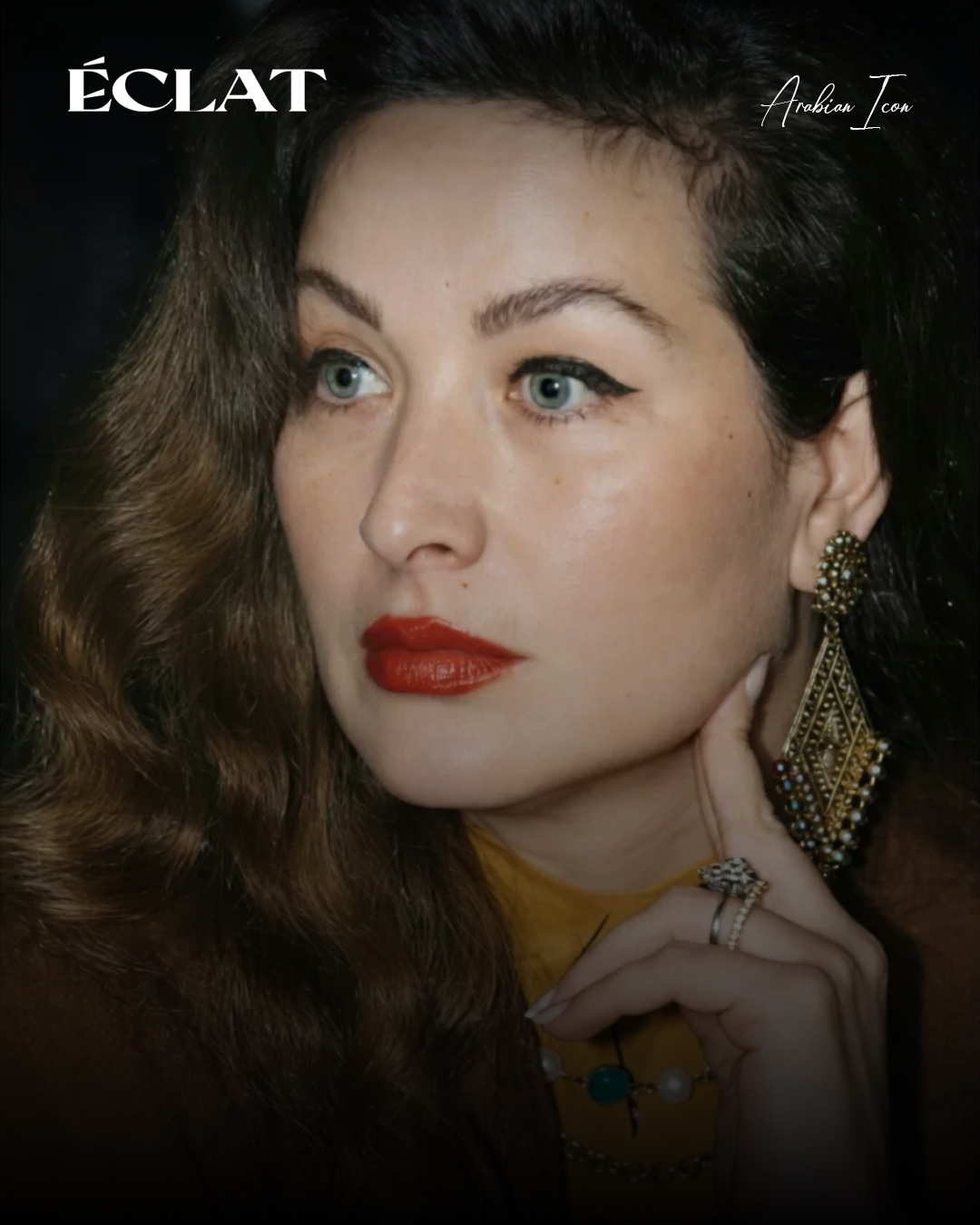
To look at Raghda on screen during the 1980s was to witness a masterclass in cinematic geometry. Blessed with a striking heritage, her features possessed an ethereal, cross-continental appeal. Her light, expressive eyes carried an inherent intensity, flashing with a mix of fierce independence and deep-seated vulnerability that challenged the camera rather than merely posing for it. This was perfectly complemented by her voluminous, untamed hair, which became a character in its own right. In an era dominated by structured, heavily lacquered hairstyles, her free-flowing, wild curls symbolized a radical, effortless modernity. Furthermore, her high, defined cheekbones and sharp jawline caught the cinematic play of light and shadow flawlessly, presenting a structured elegance that mirrored the rising minimalist fashion movements of the late twentieth century. Before the advent of manufactured, uniform glamour, Raghda’s aesthetic was deeply grounded in authenticity and raw magnetism. She consistently favored a muted, earthy palette that allowed her natural skin texture and striking bone structure to take center stage, shunning the over-polished trends of the time. This lack of pretense resonated deeply with a new generation of audiences looking for substance over superficiality. Whether she was portraying the fiercely independent protagonist in Dureid Lahham’s Al-Hodood or navigating complex, fiery emotional landscapes alongside Ahmed Zaki, her physical appearance was always a direct extension of her inner depth.
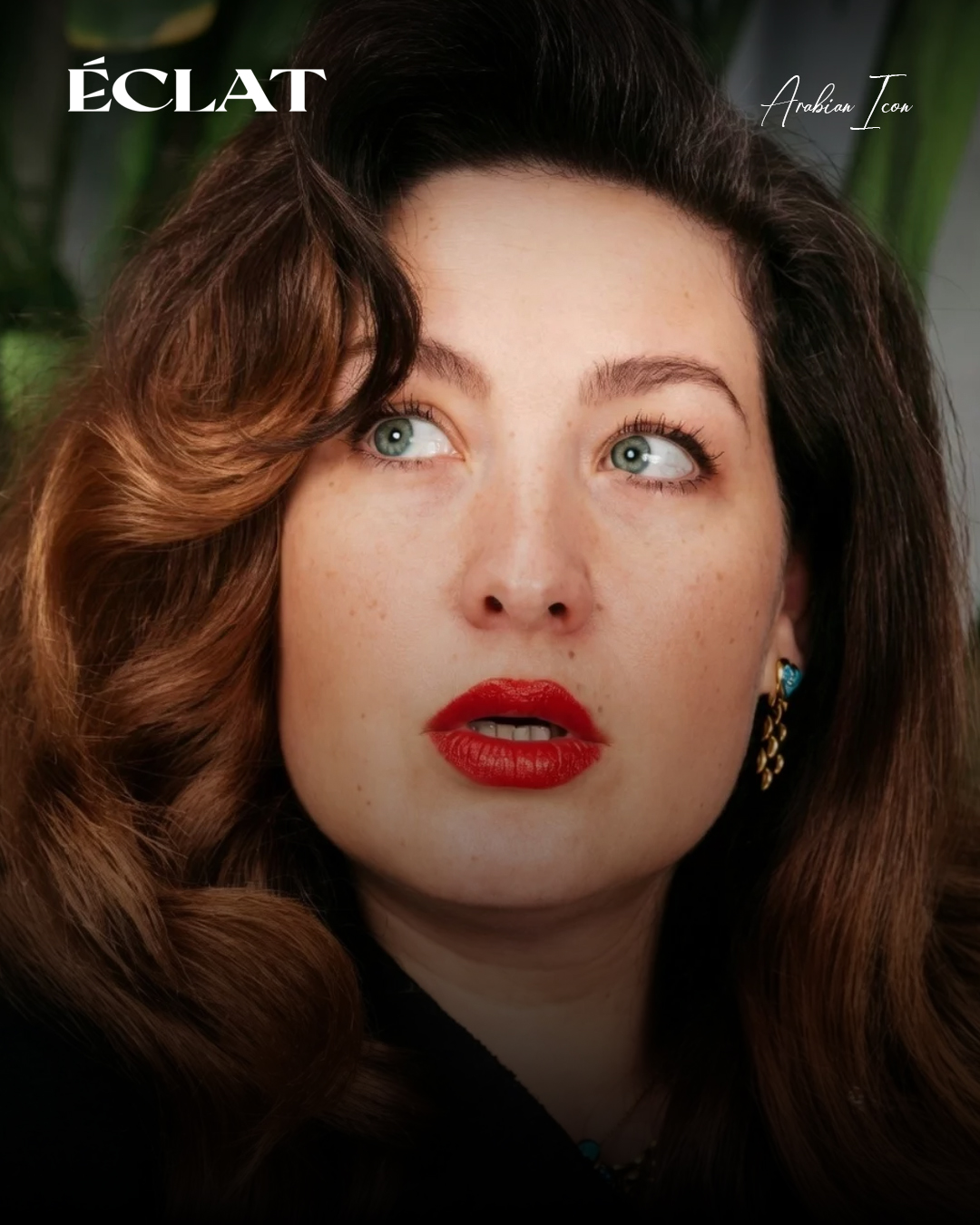
What truly solidified Raghda as an enduring icon, however, was that her beauty was never detached from her intellect. As a poet, writer, and politically vocal intellectual, she brought a fierce cerebral energy to her roles, making her allure inherently tied to her rebellion. She was the absolute personification of the modern Arab woman—cultured, autonomous, and unyielding. Decades later, as fashion and cinema continually look back to the 1980s for inspiration, Raghda’s editorial legacy remains pristine, standing as a permanent reminder that the most powerful form of beauty is one that possesses a voice, a distinct perspective, and a touch of cinematic defiance.