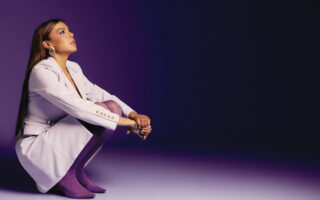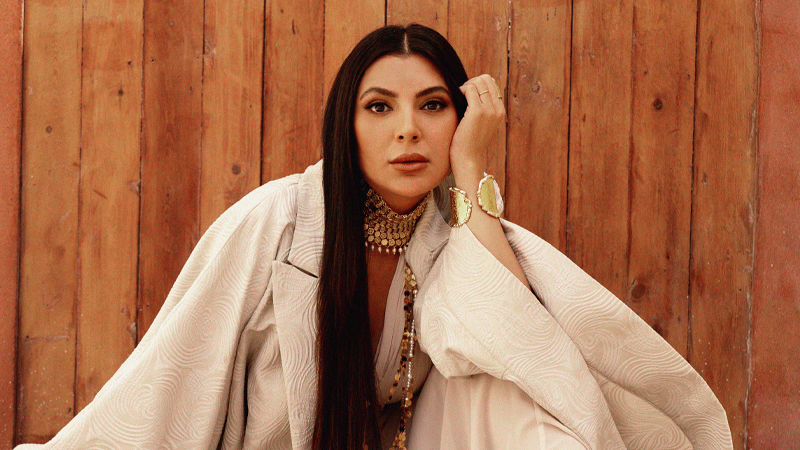
In an Arab dramatic landscape rapidly shifting toward profound human realism and urgent societal themes, Basma Dawood has emerged as a distinct, resonant voice. She is not merely an actress seeking visibility; she is a creative force anchoring a new generation of young, female-driven narratives. In an exclusive conversation with Éclat, Dawood opens up about the core responsibilities of her generation, the rejection of the artificial, and how art can serve as a mirror to society without distortion.
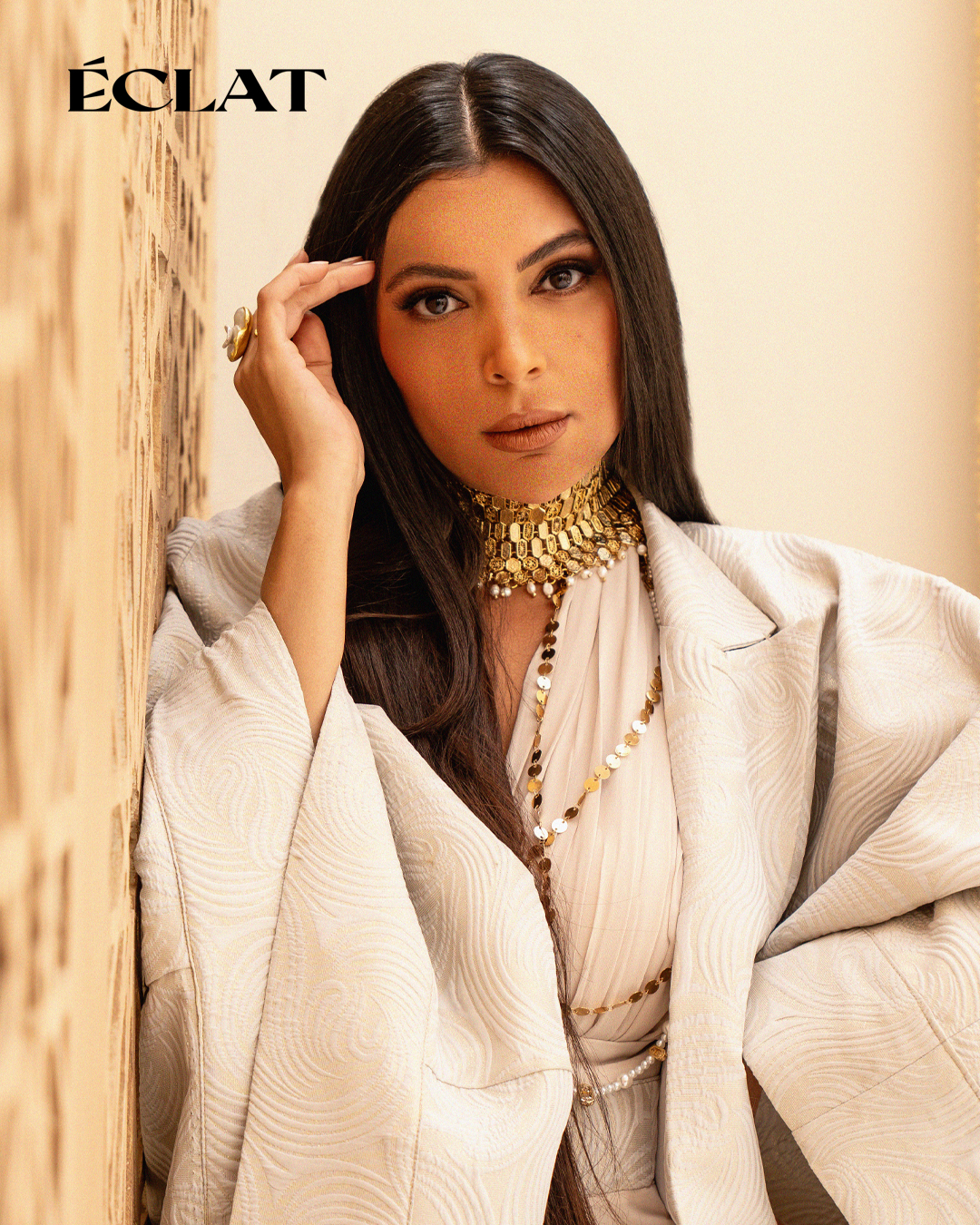
Art as a Catalyst for Human Transformation
When asked how she ensures that her portrayal of modern women remains authentic and unforced, Dawood’s answer stems from a deep reverence for the nobility of her craft. Rejecting superficial glamor, she emphasizes:
“The principles I constantly strive to uphold and remain vigilant about are rooted in delivering realistic roles—portraying genuine human beings with all their complex emotions, situations, and authentic ways of thinking.”
For Dawood, visual entertainment is never an end in itself, but rather a vehicle for a higher purpose. She aspires to move beyond passive viewership, hoping that the audience experiences a genuine shift in perspective. “Even if that shift is sparked by a single word, a line, or a sole scene,” she notes. She firmly believes that this remains the immutable purpose of art across generations: to elevate the viewer’s consciousness, to grant a sense of gratitude, and to instill fulfillment by showcasing characters navigating the labyrinth of human struggle.
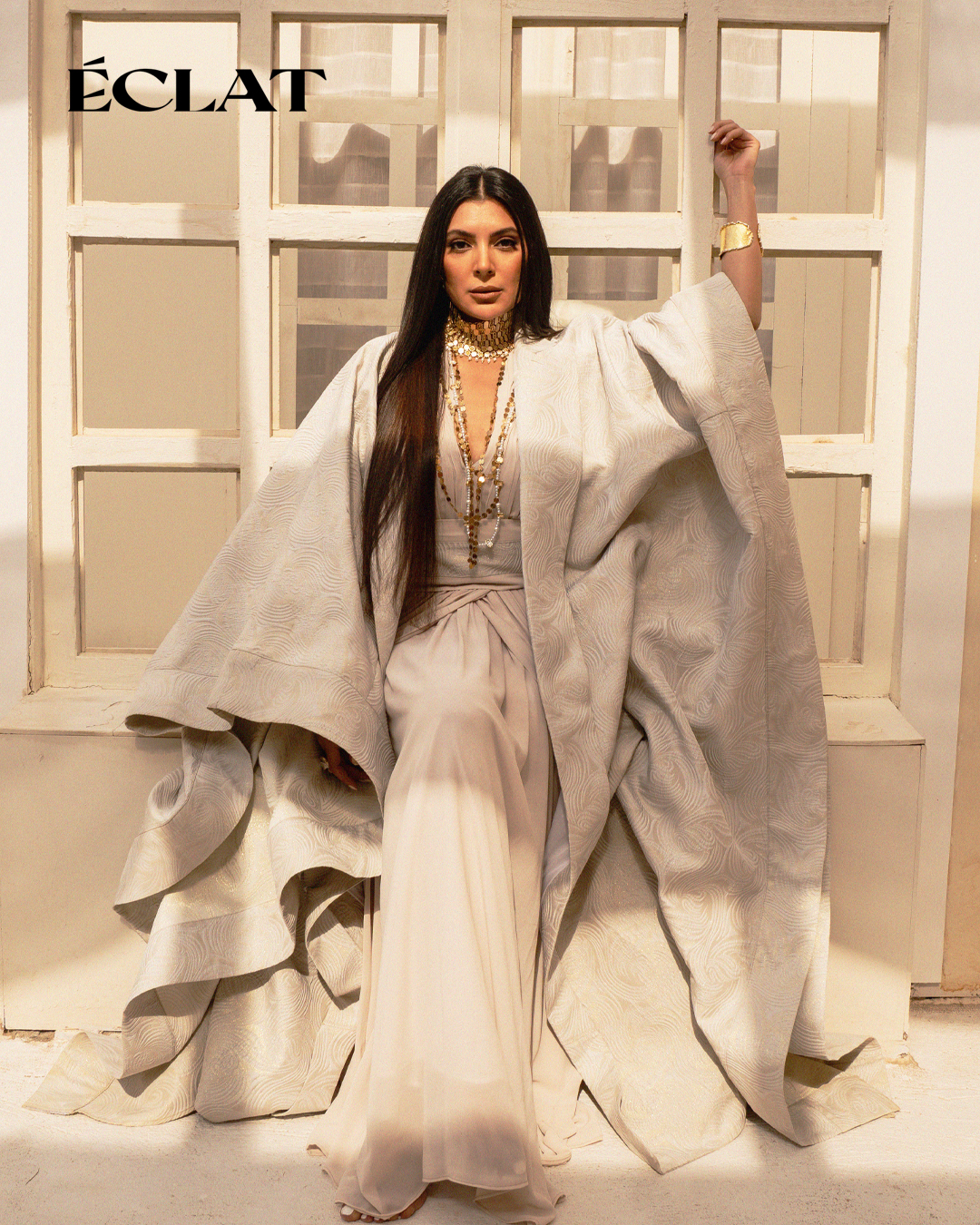
Rebelling Against the Comfort Zone
This raw authenticity demands creative courage—a bravery reflected in Dawood’s refusal to retreat into easy, predictable roles. Speaking on her philosophy of character selection, she reveals that she thrives on divergence rather than repetition:
“I do not approach my work solely from the conventional standpoint of ‘challenging myself’; rather, I find myself performing with far greater ease whenever I inhabit a character completely detached from who I am.”
She warns against the creative stagnation that comes with playing it safe: “If I continue to portray the exact same characters that guarantee my comfort every single time, I will not feel that I am testing my capabilities or elevating my craft. Instead, I would merely be repeating myself.” This visceral passion for discovering entirely foreign internal worlds is what fuels her artistry. To her, each new role claims a piece of her life, feeling less like a performance and more like meeting a fascinating stranger for the very first time.
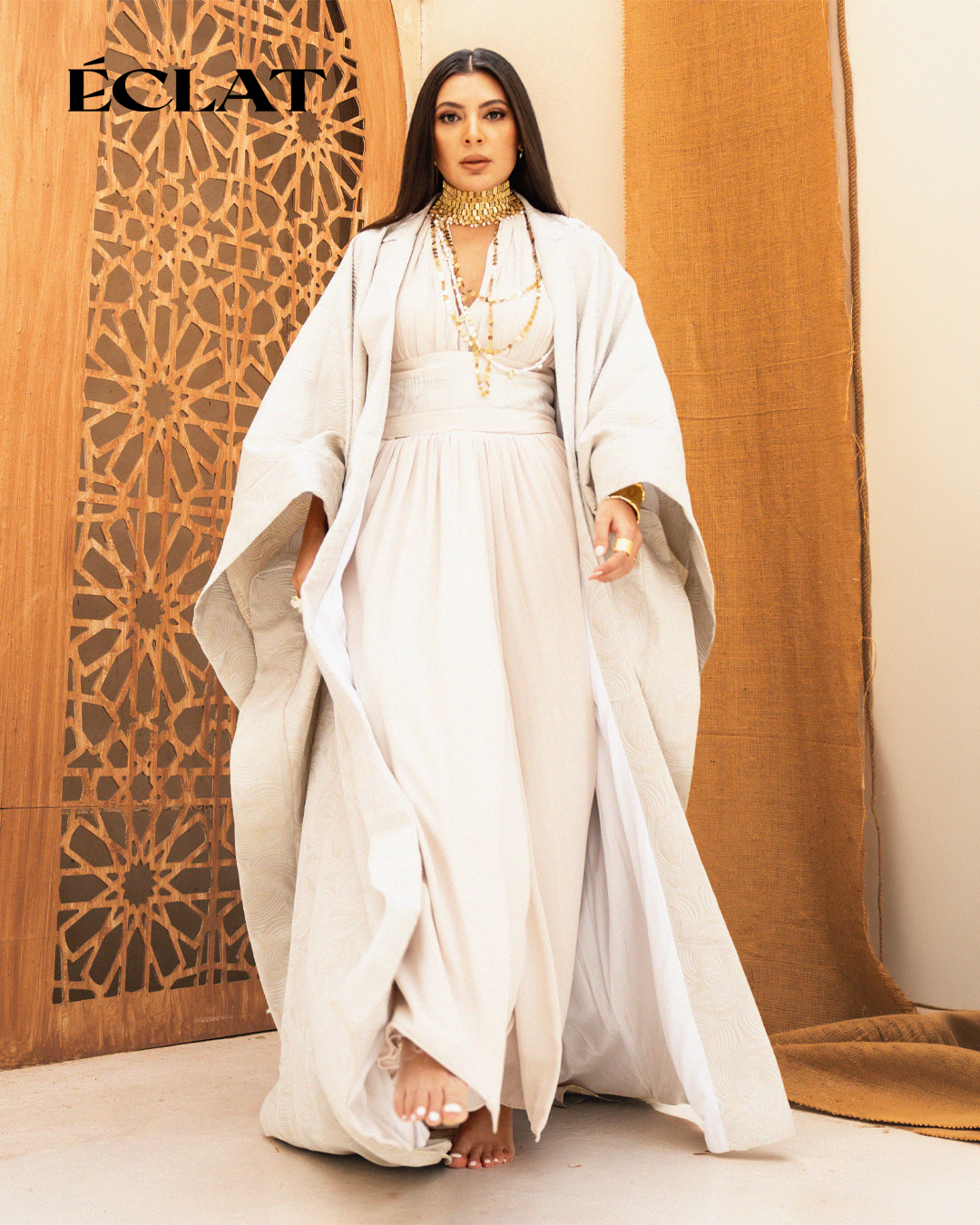
Redefining Female-Led and Ensemble Narrative
Analyzing the current television landscape and the meteoric rise of young, female-led ensemble casts, Dawood offers an astute, critical perspective. While she argues that true evolution lies in innovative screenwriting rather than just structural formats, she deeply values this current trend:
“The production of female-centric series is a fresh and distinctive concept. We need it urgently because there are core, essential issues that stem fundamentally from the lived experiences, anxieties, and nuances of women.”
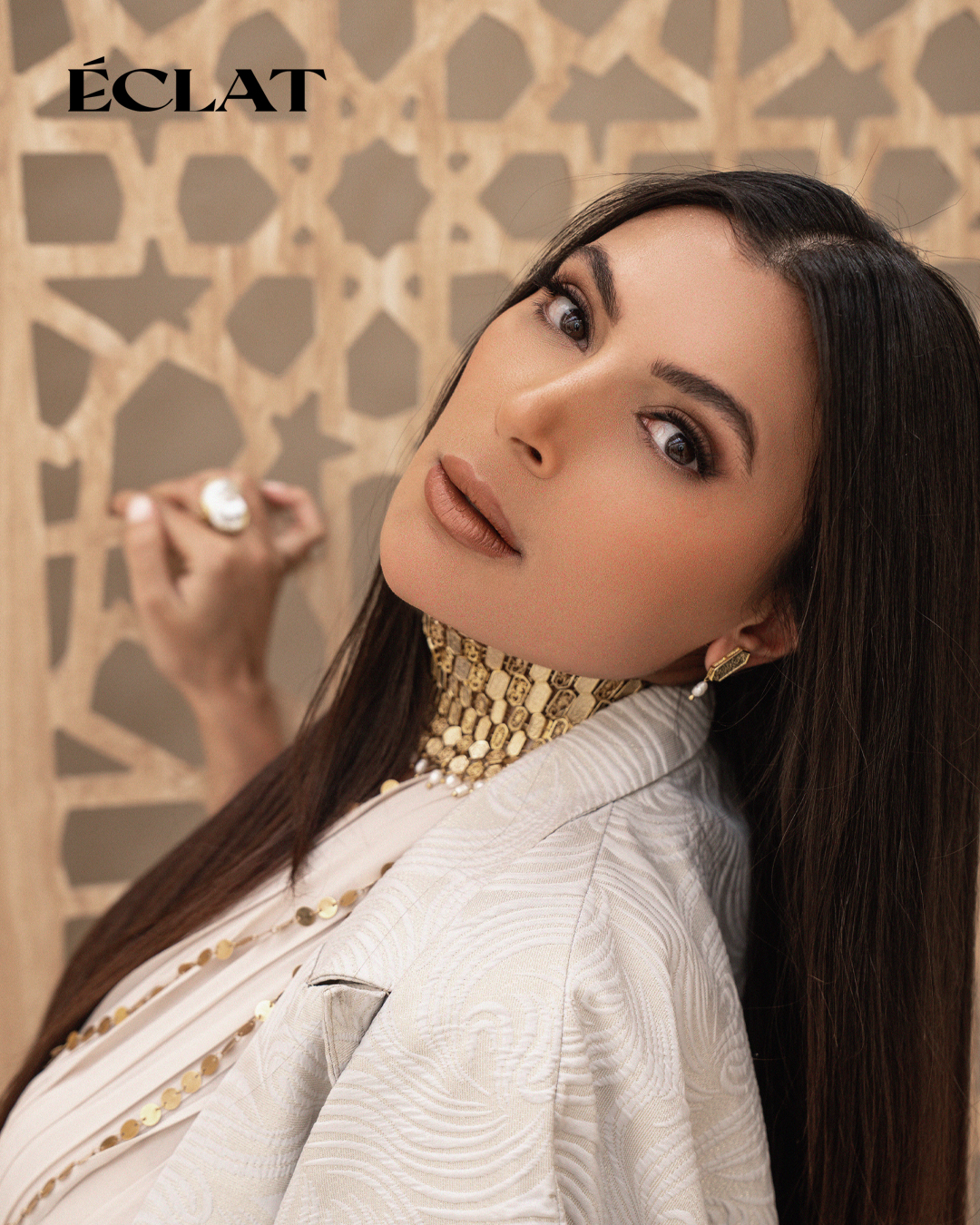
She notes that these narratives have allowed the industry to dissect deeper societal issues, assuring women facing profound crises that they are not isolated in their struggles. Elaborating on the tangible social impact of these roles, she explains: “We have begun presenting actual solutions, showcasing contrasting models of the best and worst paths, and shedding light on rights and duties. Many women—and I am speaking here of positive archetypes—might not fully realize their rights or might overextend their self-sacrifice without knowing where to draw the line.”
Ultimately, Dawood views the influx of young female-driven ensembles as a revitalizing force for the industry. It grants raw talent an expansive arena to prove its mettle and carry heavier artistic responsibilities. It is a crucial evolution that breathes new visual and intellectual energy into the dramatic arts, providing the audience with the vital diversity and cultural richness they deserve.