CAIRO — Cinema has always held the power to act as a mirror to society, but for Nahed El Sebaei, it serves an even greater purpose: it is a vehicle for empathy, advocacy, and quiet revolution. Over the course of her career, the Egyptian actress has consistently found herself drawn to stories that challenge status quos and amplify the voices of those navigating the unseen hardships of reality.
“I believe that cinema and television are capable of driving real impact in society,” El Sebaei asserts, highlighting the transformative power of storytelling. “Many artists dream at the start of their careers to contribute to positive change or to give people the courage to take crucial steps in their lives. I feel that some artistic works have indeed succeeded in encouraging people to confront issues that were not easy to speak about previously.”
One such project that left an indelible mark on her soul was a film centering on the grueling, beautiful, and often isolated reality of a mother raising a child with Down syndrome. Filming under raw, demanding conditions on the bustling streets exposed El Sebaei to a profound truth about the subjects she was portraying.
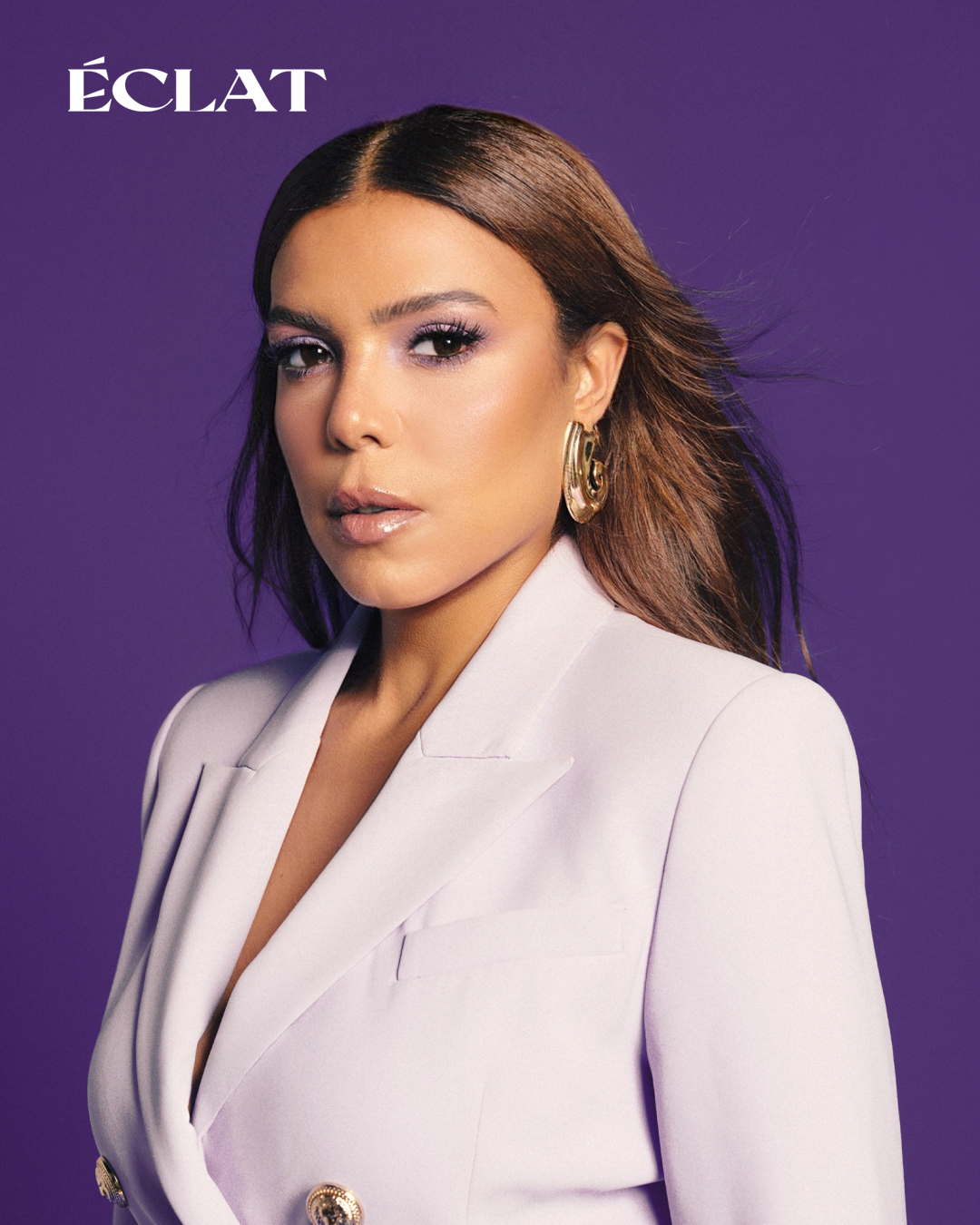
“One of the works closest to my heart is a film that tackled the story of a mother living with a child diagnosed with Down syndrome. Filming took a great deal of time and effort; we were shooting in the streets, among crowds, and under difficult circumstances. During that experience, I realized that what we go through during filming is incomparable to what these mothers endure daily—their anxiety, fear, and responsibility. Therefore, I felt that the least we could offer was to shed light on their stories and struggles. They deserve all the appreciation and respect, and perhaps the real awards for this film belong to them.”
Though she claims it was never a calculated professional strategy, El Sebaei’s filmography has become an inadvertent, powerful champion of women’s socioeconomic and emotional realities. Her recent cinematic inspirations reflect this ongoing fascination with gender dynamics, specifically pointing to the clever subversions found in modern international cinema. “By coincidence, most of my works have addressed women’s issues—something I hadn’t planned in advance, but it became close to my heart,” she notes. “I was also recently impressed by the movie The Ladies First, because it tackled the relationship between men and women from a different, comedic angle, placing men in the very situations that women usually face in patriarchal societies. I loved the idea because it isn’t specific to one society; rather, it reflects a global issue regarding how male-dominated work environments treat women, and how difficult it can be for a woman’s voice to be heard sometimes.”
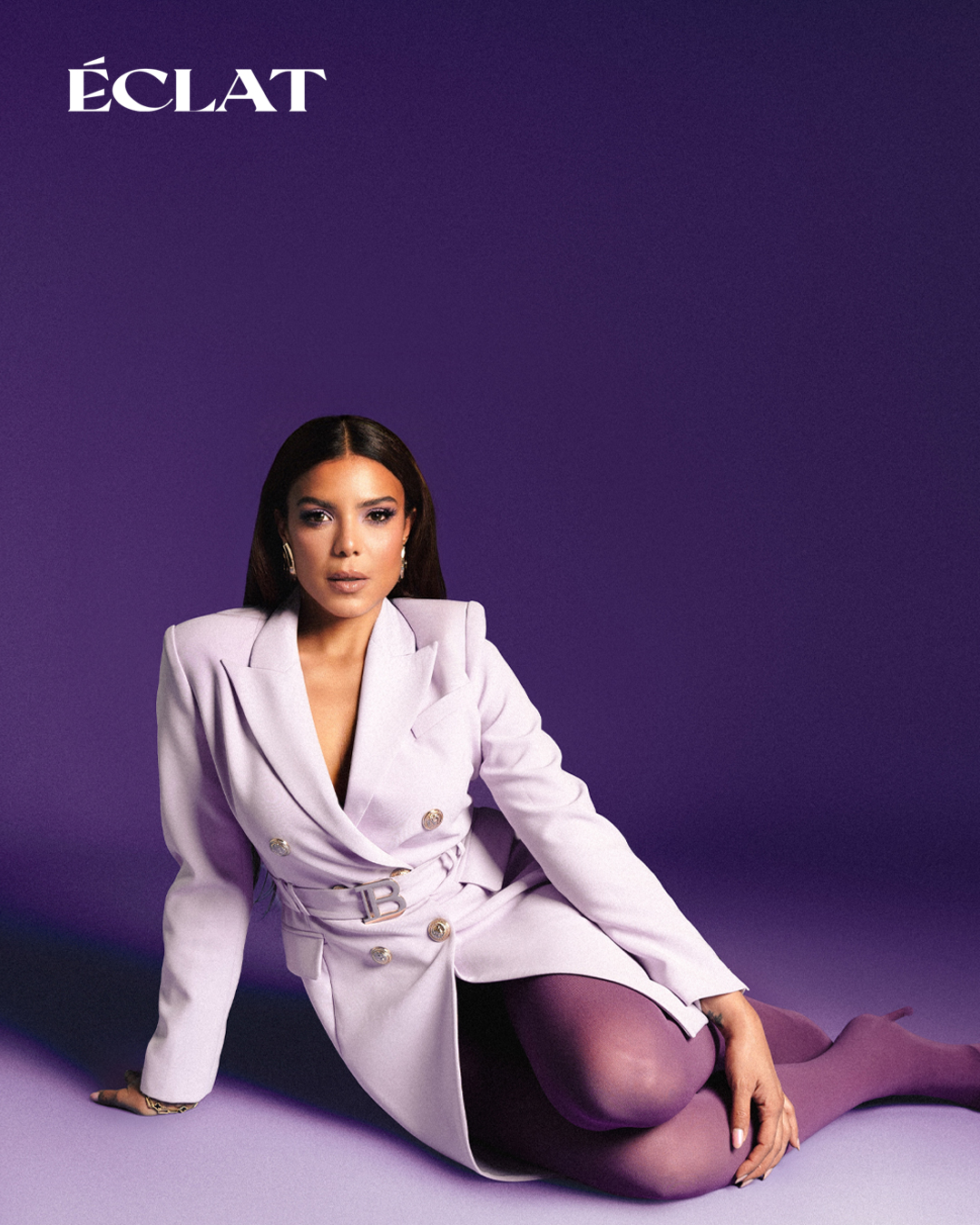
For El Sebaei, this refusal to be confined to a singular, predictable mold extends far beyond the scripts she chooses; it dictates how she presents herself to the world. Fashion, much like acting, is an evolving, living extension of her internal world—a canvas where she fluidly shifts between delicate simplicity and avant-garde defiance depending on her mood, the project, or the political atmosphere of the red carpet.
“Regarding fashion, I like to wear what I feel expresses my psychological state during that period,” El Sebaei shares. “Sometimes I lean toward delicate, simple looks, and other times toward bold, unconventional designs. My choices are also influenced by the nature of the event or the theme of the movie I am participating in. I don’t like committing to a single style or a fixed mold; instead, I prefer continuous reinvention and change. Ultimately, I believe that outward appearance is heavily linked to one’s psychological state. A person might wear very simple clothes, yet their presence and self-confidence make their look exceptional and striking.”